
- Introduction
- What is the JLPT N5 test format?
- How much grammar do you need for JLPT N5?
- How many words do you need for JLPT N5?
- How many kanji do you need for JLPT N5?
- How can you improve listening for JLPT N5?
- How can you improve reading for JLPT N5?
- Why should you take JLPT N5 practice tests?
- Create a Study Schedule
- Stay Motivated
- Conclusion
Introduction
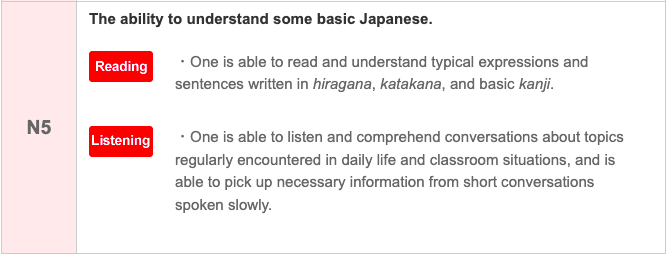
The Japanese Language Proficiency Test (JLPT) N5 is the first step in your journey toward Japanese language mastery. As the easiest of the five JLPT levels, N5 is an excellent starting point for beginners. To pass JLPT N5, you need basic grammar, vocabulary, kanji, listening, and reading skills.
- JLPT N5 is the easiest of the five JLPT levels and the first step for beginners.
- JLPT N5 has three sections: Language Knowledge (vocabulary and grammar), Reading, and Listening. Each section is timed.
- For JLPT N5, aim for approximately 600 to 1,000 vocabulary words and around 100 kanji, starting with the most common kanji.
- Improve JLPT N5 listening with beginner podcasts and YouTube videos, and improve reading with graded readers and NHK News Web Easy.
- Take JLPT N5 practice tests, for example from the official JLPT website, and keep a daily study schedule for every skill.
What is the JLPT N5 test format?
The JLPT N5 test format consists of three sections: Language Knowledge (vocabulary and grammar), Reading, and Listening. Each JLPT N5 section is timed, so it’s important to manage your time effectively during the test. Familiarize yourself with this format before diving into your studies.
How much grammar do you need for JLPT N5?
For JLPT N5, basic grammatical knowledge is sufficient. The JLPT N5 tests your understanding of basic Japanese grammar.
How many words do you need for JLPT N5?
The JLPT does not publish an official vocabulary list for N5, but a common study target is about 600 to 1,000 words. Utilize flashcards and language apps like “IPPO” and “Anki” to study new words, and reinforce your learning by consuming beginner-level Japanese media, such as children’s books, and songs.
How many kanji do you need for JLPT N5?
The JLPT does not publish an official kanji list for N5, but a common study target is around 100 kanji. Start by focusing on the most common kanji. Practice writing kanji and incorporate them into your vocabulary studies to understand their usage in context.
How can you improve listening for JLPT N5?
To improve listening for the JLPT N5, expose yourself to Japanese audio materials, such as podcasts and YouTube videos, tailored to beginners. Websites like “IPPO” offer N5-specific listening practice. Take notes and summarize what you hear to actively engage with the content.
How can you improve reading for JLPT N5?
To improve reading comprehension for the JLPT N5, begin with level-appropriate texts, like graded readers and simple news articles. Practice reading out loud to improve your pronunciation and fluency, and use online resources like “IPPO”, and “NHK News Web Easy” for additional content.
Why should you take JLPT N5 practice tests?
JLPT N5 practice tests familiarize you with the test format and question types. JLPT N5 practice tests also help you gauge your progress and identify areas where you need to focus your studies. Use resources like the official JLPT website or “JLPT Sensei” for practice tests and answer explanations.
Create a Study Schedule
Develop a consistent study schedule, allocating daily practice time for grammar, vocabulary, kanji, listening, and reading comprehension. Set realistic goals based on your desired exam date and adjust your schedule as needed.
Stay Motivated
Maintaining motivation is essential for achieving success on the JLPT N5. Set clear objectives, track your progress, and celebrate your accomplishments. Connect with other Japanese learners, join study groups, or participate in language exchange programs to keep yourself engaged and motivated.
Conclusion
The JLPT N5 is a milestone in your Japanese language learning journey. By understanding the test format, focusing on essential grammar, vocabulary, kanji, listening, and reading skills, and employing effective study techniques, you can achieve success on the N5 exam. Stay committed, enjoy the process, and embrace the challenges that come with learning a new language. As you progress through the JLPT levels, the skills and confidence you gain from passing the N5 exam will serve as a solid foundation for further Japanese language study. Remember that perseverance, dedication, and a positive attitude are key to mastering the Japanese language and acing the JLPT N5. Good luck, and happy studying!

We offer the Best Online Japanese Learning (All Free), and our goal is to facilitate the adoption into life in Japan. Our service “IPPO” is made by native Japanese teachers and professionals. The tips we share with you can help you to learn Japanese efficiently and pass JLPT (Japanese Language Proficiency Test).